
Horse and Rider Public Liability Insurance in Australia
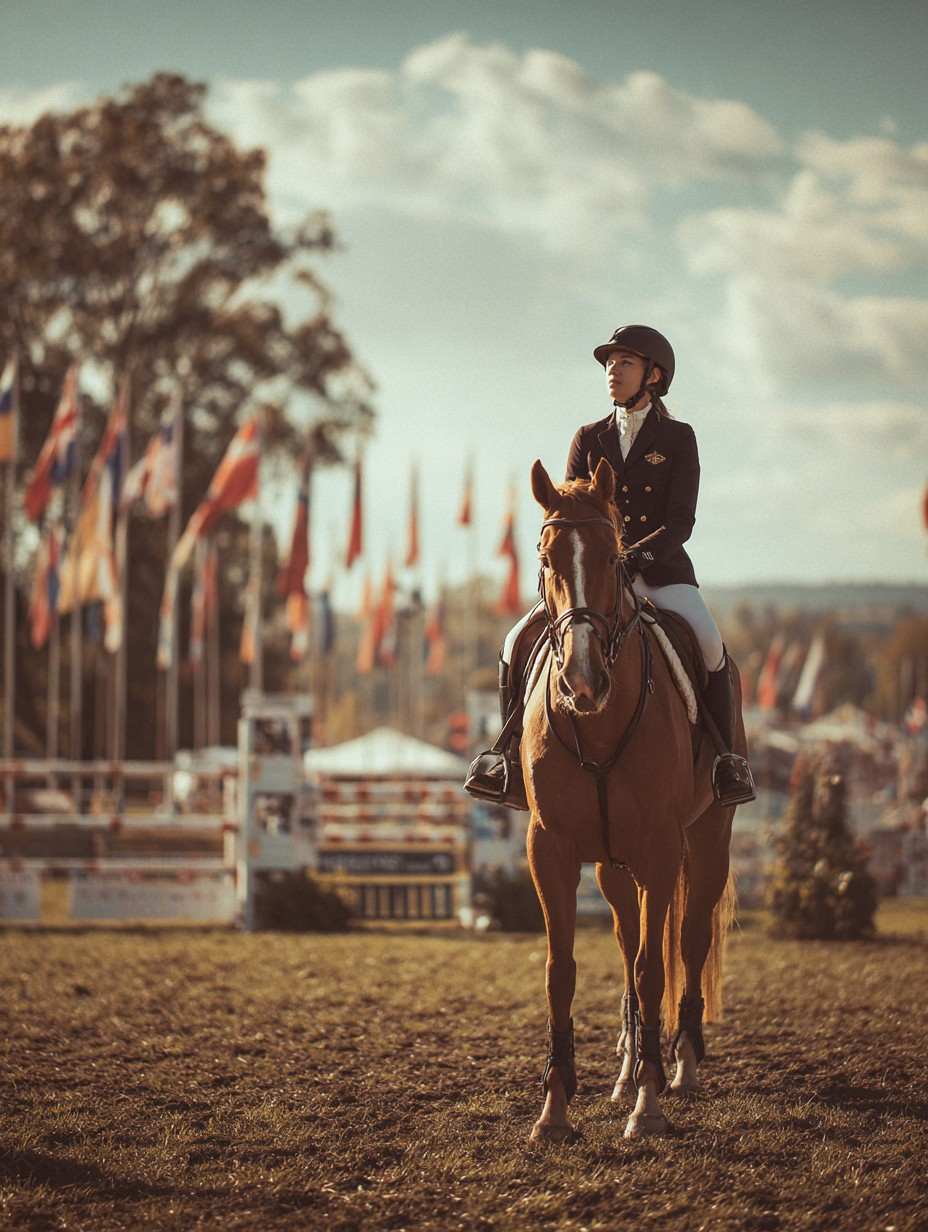
TL;DR: Public liability insurance responds where a horse owner or rider is legally liable for injury to another person or damage to their property caused by the horse — for example, a horse that escapes onto a road or injures a bystander. It is separate from cover on the horse itself, and a liability claim can far exceed the horse's value. Some cover comes bundled with club or association membership, but the limits and scope may not match every individual's situation. What any policy responds to depends on the wording and the circumstances.
This article is part of our Equine Insurance 101 guide, within equine and bloodstock cover.
What is horse public liability insurance?
Horse public liability insurance covers a horse owner's or rider's legal liability to other people — for injury to a third party or damage to their property — arising from the horse. If a horse causes harm to someone who is not the owner, and the owner is found legally responsible, this is the cover that responds, subject to its terms, conditions and exclusions.
The reason it stands apart from other equine cover is that it protects other people and their property, subject to policy terms and conditions. Mortality and major medical cover deal with what happens to the horse; public liability deals with what the horse does to the outside world. A single horse can injure a rider, a handler, a spectator or a motorist, or damage fencing, vehicles or crops, and the resulting claim is a liability matter.
A horse is a large, powerful and sometimes unpredictable animal, which is why this exposure is taken seriously. Equestrian activity is popular in Australia — AIHW data indicates an estimated 134,100 Australians aged 15 and over took part in equestrian activities in 2023–24 — and with that participation comes contact between horses, riders and the public where liability can arise.
What does public liability cover if a horse injures someone?
Public liability generally covers the compensation an owner or rider becomes legally liable to pay for a third party's injury or property damage, along with associated legal defence costs, up to the limit of the policy. Typical scenarios include a horse that escapes and causes a road accident, a horse that kicks or bites a visitor, or a horse that damages a neighbour's property.
The cover centres on legal liability. It responds where the owner or rider may be liable for harm to someone else, which is why the facts of an incident matter so much. A horse bolting into traffic, injuring a person at an event, or breaking through a fence onto neighbouring land are the kinds of occurrences this cover is designed for.
Is public liability included in club or association membership?
Sometimes, but not always, and not always to a level that suits every member. Many equestrian clubs and associations include some public liability cover with membership, which can be valuable, but that cover is usually designed around the organisation's activities and a standard member profile rather than an individual's full circumstances.
The important thing is to understand what the membership cover actually does. It may respond only during sanctioned club activities, apply a limit that suits general participation rather than a specific individual, or exclude private riding, agistment or commercial activity. A member who rides widely, keeps horses commercially, or instructs may have exposures the insurance policy was never intended to cover.
This is why it helps to read the membership cover against how a person actually keeps and uses their horses, rather than assuming it is comprehensive. Where there are gaps — private activity, higher limits, personal accident, or commercial use — separate cover arranged to fill them is the usual approach. What any scheme covers depends on its wording, which should be confirmed.
How to arrange horse and rider liability cover
Arranging cover starts with mapping how a person interacts with horses and the public: whether they own or ride, ride others' horses, instruct, compete, agist, or run any activity involving other people. Each of those creates a different liability and personal-injury profile, and any existing club or association cover needs to be read alongside them rather than assumed to be enough.
A structured review helps because liability exposures are easy to underestimate — the value of a horse is visible, but the cost of a serious third-party injury claim is not, and it can be far larger. Matching cover to how someone actually rides and keeps horses, and checking where membership cover starts and stops, is what avoids an unpleasant surprise. Binding terms should be confirmed against the actual PDS and policy wording.
A specialist broker such as Gow-Gates Insurance Brokers — whose equine and bloodstock practice advises riders, owners, clubs and equine businesses — can help structure public liability, personal accident and, where relevant, professional indemnity cover, and assist clients through the claims process. The suitability depends on each person's circumstances and the relevant Target Market Determination.
Key takeaways
- Public liability responds where an owner or rider is legally liable for injury to another person or damage to their property caused by the horse — it is separate from cover on the animal.
- A liability claim can far exceed the value of the horse itself, which is why the exposure is taken seriously.
- According to the AIHW, an estimated 134,100 Australians aged 15 and over took part in equestrian activities in 2023–24, with nearly 2,100 injury hospitalisations — a measure of how often horses, riders and the public interact.
- Club or association membership sometimes includes limited public liability cover, but it may not match an individual's full circumstances — read it against how each rider actually keeps and uses their horses.
Frequently asked questions
Does horse insurance include public liability?
Not automatically. Public liability is usually a separate cover or a separate section, not something included in every mortality or major medical policy. It responds where the owner or rider is legally liable for injury or damage the horse causes to a third party. Whether a particular policy includes it depends on the sections selected and the wording, which should be checked.
What happens if my horse injures someone or causes an accident?
If you are found legally liable for a third party's injury or property damage, public liability cover can respond to the compensation and legal costs, up to the policy limit and subject to its terms, conditions and exclusions. Without such cover, you could be personally exposed to those costs. Whether a specific incident is covered depends on the circumstances and the policy wording.
Does my club membership cover me for public liability?
It may provide some cover, but often only for sanctioned club activities and up to a set limit, and it may not extend to private riding, agistment, instruction or commercial use. Read the membership cover against how you actually keep and use your horses, and confirm its scope, so you can identify any gaps that need separate cover.
Do riding instructors need extra insurance?
Often, yes. Instruction may be classified as professional advice, so a coach or instructor may need professional indemnity in addition to public liability, and personal accident cover if they rely on their own income. The appropriate mix depends on the instructor's activities and circumstances and the relevant Target Market Determination.
About the author
This article was prepared by the Sport & Equine practice at Gow-Gates Insurance Brokers Pty Ltd (ABN 12 000 837 785, AFSL 245432), an independently owned Australian insurance broking and risk advisory firm operating for more than 60 years. Gow-Gates advises horse owners, riders, equine businesses and racing and breeding operations on structuring insurance programs and advocating at claim time, and is a member of Steadfast, NIBA and AFCA.
Sources
- Australian Institute of Health and Welfare (AIHW). "Sports injury in Australia — equestrian activities." https://www.aihw.gov.au/reports/sports-injury/sports-injury-in-australia/contents/featured-sports/equestrian-activities
- Australian Institute of Health and Welfare (AIHW). "Horse-related injury in Australia." https://www.aihw.gov.au/reports/injury/horse-related-injury-australia/summary
- business.gov.au. "Types of business insurance." https://business.gov.au/finance/insurance/types-of-business-insurance
- Gow-Gates Insurance Brokers. "Equine and Bloodstock." https://www.gowgates.com.au/industries/equine-and-bloodstock
Disclaimer: This content contains general information only and does not take into account your personal objectives, financial situation or needs. You should consider how appropriate any information is to your own objectives, financial situation and needs before acting on it. Gow-Gates makes no representation or warranty concerning the application of policy wordings. For full details of the terms, conditions and limitations of cover, refer to the specific policy wordings and/or Product Disclosure Statements, the relevant Target Market Determination, and the Gow-Gates Financial Services Guide. Gow-Gates Insurance Brokers Pty Ltd arranges insurance and is not the insurer. © Gow-Gates, 2022–2026.

Get a Quote
Thank you for your submission!
Or speak directly with a member of our team.