
Equine Insurance 101: Complete Guide to Protecting Your Horse Investment
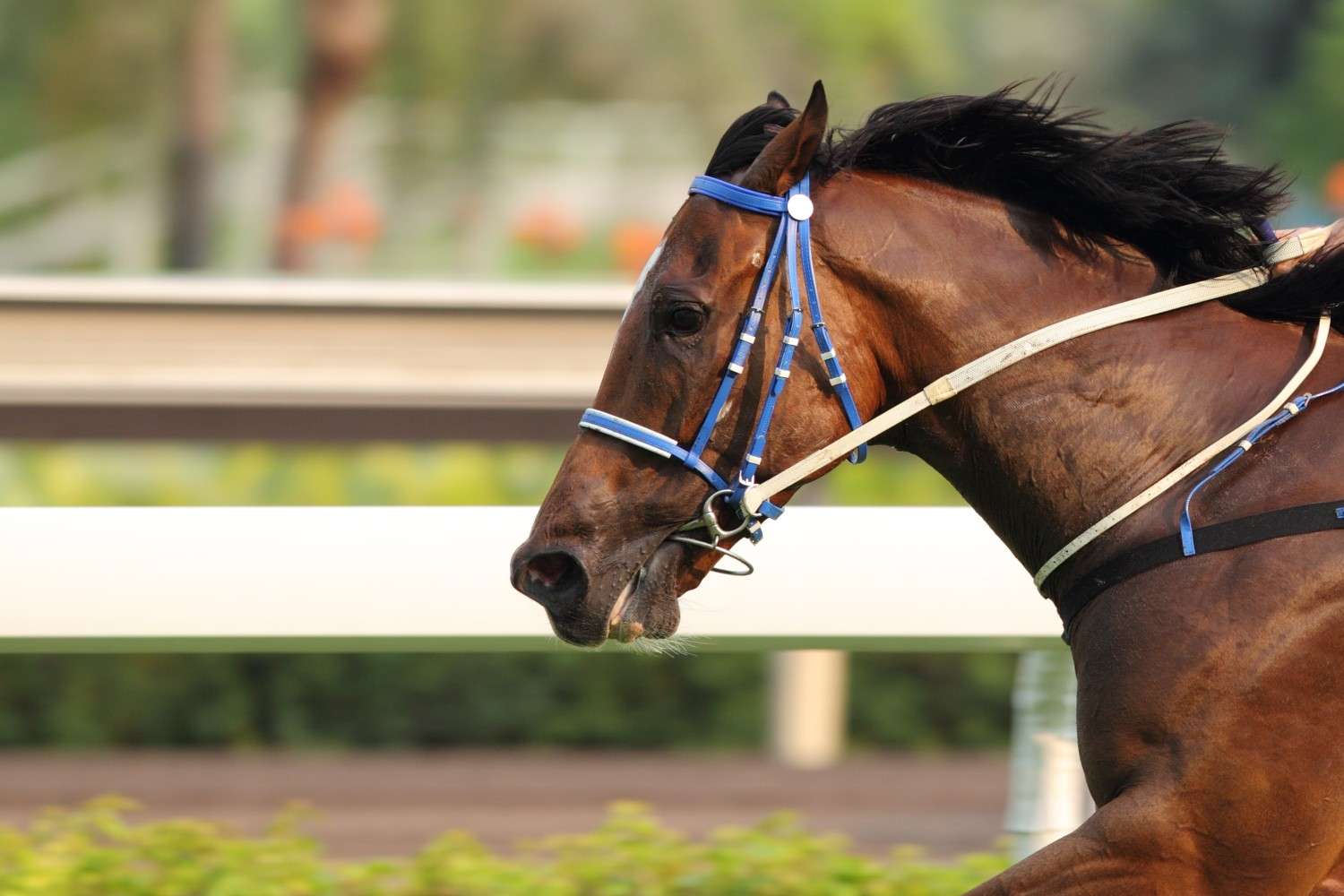
TL;DR: Equine insurance is not a single product but a set of covers that protect the financial value of a horse and manage the risks of owning, riding, keeping or breeding one: mortality, major medical and loss of use for the animal itself, plus public liability, property and business cover, and specialised bloodstock cover. What any owner needs depends on the horse's value, use and the activities around it, which is why cover is usually built rather than bought off the shelf. Gow-Gates arranges equine insurance within its equine and bloodstock practice and is not the insurer.
What is equine insurance and why do horse owners consider it?
Owning a horse is both a privilege and a responsibility. Whether a horse is a companion, competitor or performance animal, it represents a significant investment of time, money and care, and, like any valuable asset, it carries risks: illness, injury, theft, and even death. Equine insurance is the set of covers that helps owners manage the financial impact of those unexpected events.
The right cover may respond to a range of incidents, from veterinary emergencies to the permanent loss of a horse's insured use, and, through separate liability cover, to situations where a horse causes injury or damage to others. What any policy responds to depends on the cover selected and the terms, conditions and exclusions of the wording, rather than on general expectation.
Gow-Gates has advised horse owners, equine businesses and racing and breeding operations for many years through its equine and bloodstock practice, arranging insurance solutions designed to meet clients' circumstances for horses of all breeds and disciplines, from a single pleasure horse to a stable or stud. The suitability of any product depends on each owner's circumstances and the relevant Target Market Determination.
What types of equine insurance can you get?
Equine insurance is not a one-size-fits-all product. It is a set of building blocks that can be combined to suit a particular horse and how it is kept. The core cover types most owners consider are:
- Mortality insurance covers the death of a horse due to accident, illness, or humane euthanasia on veterinary advice. Theft or straying may also be covered, depending on the policy.
- Major medical insurance covers eligible veterinary treatments, surgery and diagnostics following an accident or illness, subject to the policy terms.
- Loss of use insurance applies where a horse becomes permanently unable to perform its insured function, such as show jumping, dressage or eventing, and may provide a payout, subject to the wording.
- Equine liability applies where a third party suffers bodily injury or property damage arising from a horse or an owner's activities, and liability cover may respond to the owner's legal liability, in accordance with its terms and conditions.
Beyond these, Gow-Gates can help arrange a range of specialist cover, including Performance Horse Insurance, Bloodstock Mortality, Public & Products Liability, Professional Indemnity, Farm and Business Property Insurance, Association Liability, Workers' Compensation and Voluntary Workers Insurance. These matter particularly for owners involved in breeding, competition, or those running equine businesses and properties, where cover needs to protect not just the horse but the wider operation, staff and reputation. Each of the main topics below is explored in its own detailed guide.
How much does horse insurance cost?
There is no single price for horse insurance, because premiums are built individually from the horse's insured value, its age and breed, how it is used, its veterinary history, and the specific covers and sums insured chosen. Higher-value horses attract higher premiums; competition and breeding horses generally carry more risk than paddock horses; older horses and some breeds cost more to cover; and pre-existing conditions or prior claims can affect price and terms.
Understanding those drivers is what lets an owner weigh cost against the financial exposure they are managing. For a full breakdown of what shapes a premium and how to think about whether cover is worthwhile, see: How much does horse insurance cost in Australia?
Does equine insurance cover public liability?
It depends on the policy, which an insurance broker can assist with. Public liability cover in equine insurance policies typically responds where an owner or rider is legally liable for injury to another person or damage to their property caused by the horse, such as a horse that escapes onto a road or injures a bystander. Because a horse is a large animal, a liability claim can far exceed the value of the horse itself.
For how public liability and rider cover work, and where club or association membership schemes can leave gaps, see: Horse and rider public liability insurance in Australia.
What about property and business cover for equine operations?
Agistment properties, stables, riding schools and studs may well be businesses as well as places to keep horses, and the buildings, equipment and activity involved need cover of their own. This may be arranged as farm and business property insurance for equine operations, property and business cover for the enterprise, rather than a standalone rural or crop "farm insurance" product.
For how property, liability and business covers fit together for an equine operation, see: Farm and business property insurance for equine operations in Australia.
What is bloodstock insurance?
Bloodstock insurance is the specialised branch of equine cover for breeding and racing horses, where values are high and the risks, such as mortality, infertility, foaling complications and injury to a stallion or broodmare, can have large financial consequences. It can extend beyond a standard horse mortality policy to address the specific exposures of a breeding operation.
For breeding-specific risks, valuation and claims, see: Bloodstock insurance for breeding operations and thoroughbred investments.
How do horse and riding clubs manage risk?
Horse and riding clubs, and the events they run, carry their own exposures, such as members, volunteers, spectators, vehicles and horses sharing a site, and managing those risks is both a safety obligation and a factor in a club's insurance. Documented risk assessments, safe facilities, enforced safety standards, effective supervision and incident reporting reduce the incidents that lead to claims.
For the practical steps involved and how they support a club's cover, see: Risk management for horse and riding clubs in Australia.
How do you choose the right equine insurance policy?
Before committing to a policy, it helps to understand exactly what is being bought, and a good broker adds value not just at purchase, but when it is time to make a claim. Useful questions to ask include:
- What cover is included as standard, and what are the optional add-ons?
- Are there any exclusions that could affect the ability to claim?
- How are claims assessed and processed?
- Can the cover be adjusted if the horse's role or value changes?
- How do premiums evolve over time?
A structured review generally serves an owner better than an off-the-shelf online quote, because the combination of animal, liability and property exposures rarely fits a single generic template. Gow-Gates assists clients throughout the claims process and liaises with insurers on their behalf, however all claims are assessed and determined by the insurer in accordance with the policy terms and conditions.
Key takeaways
- Equine insurance and bloodstock insurance can go hand-in-hand: mortality, major medical, loss of use and equine liability for the animal and its owner, plus public liability, property and business cover, and specialised bloodstock cover, combined to suit the horse.
- Premiums are individual: insured value, age, breed, use, veterinary history and the covers chosen all shape the price; there is no meaningful single "average."
- Public liability is usually separate from cover on the animal, and a liability claim can far exceed the horse's own value.
- Equine businesses (agistment, stables, riding schools, studs) and breeding operations need business, property and bloodstock covers beyond insuring individual horses.
- What any policy pays depends on the wording, sums insured and options selected; products carry Target Market Determinations.
Frequently asked questions
Do I need horse insurance if my horse is just a pet?
It is a personal decision, not a legal requirement, and depends on the financial exposure an owner is comfortable carrying. Even a pleasure horse can incur significant veterinary costs or cause injury or damage that leads to a liability claim, which is why many owners of companion horses still consider at least medical and public liability cover. Suitability depends on each owner's circumstances.
What affects the cost of equine insurance?
Many things including, but not limited to, insured value, age and breed, how the horse is used, veterinary history and prior claims, and the covers and sums insured selected all affect the premium. Higher-value horses, competition or breeding use, older horses and wider cover generally cost more. The weighting of these factors is set by the insurer's underwriting.
Does equine insurance cover my horse if it injures someone?
Only if public liability cover is in place, either as a section of the policy or as a separate cover. Whether a particular claim is covered depends on the policy wording and the circumstances, so the relevant PDS and policy wording should be checked.
How do I choose the right equine insurance policy?
Start with the horse's value and use, then consider the risks around it, such as veterinary cost, liability to others, and any business or property involved, and ask a broker what is included, what is excluded, how claims are handled, and how cover can change over time. A specialist broker can match a combination of covers to the horse; products carry Target Market Determinations that should be considered.
About the author
This article was prepared by the Sport & Equine practice at Gow-Gates Insurance Brokers Pty Ltd (ABN 12 000 837 785, AFSL 245432), an independently owned Australian insurance broking and risk advisory firm operating for more than 60 years. Gow-Gates advises horse owners, equine businesses and racing and breeding operations on structuring insurance programs and advocating at claim time, and is a member of Steadfast, NIBA and AFCA.
Sources
- Australian Horse Industry Council. "Size and Scope of the Australian Horse Industry." horsecouncil.org.au
- AgriFutures Australia. "Thoroughbred Horses." agrifutures.com.au
- Australian Institute of Health and Welfare (AIHW). "Sports injury in Australia, equestrian activities." aihw.gov.au
- Gow-Gates Insurance Brokers. "Equine and Bloodstock." gowgates.com.au
Disclaimer: This content contains general information only and does not take into account your personal objectives, financial situation or needs. You should consider how appropriate any information is to your own objectives, financial situation and needs before acting on it. Gow-Gates makes no representation or warranty concerning the application of policy wordings. For full details of the terms, conditions and limitations of cover, refer to the specific policy wordings and/or Product Disclosure Statements, the relevant Target Market Determination, and the Gow-Gates Financial Services Guide. Gow-Gates Insurance Brokers Pty Ltd arranges insurance and is not the insurer. © Gow-Gates, 2022–2026.

Get a Quote
Thank you for your submission!
Or speak directly with a member of our team.