
Farm and Business Property Insurance for Equine Operations in Australia
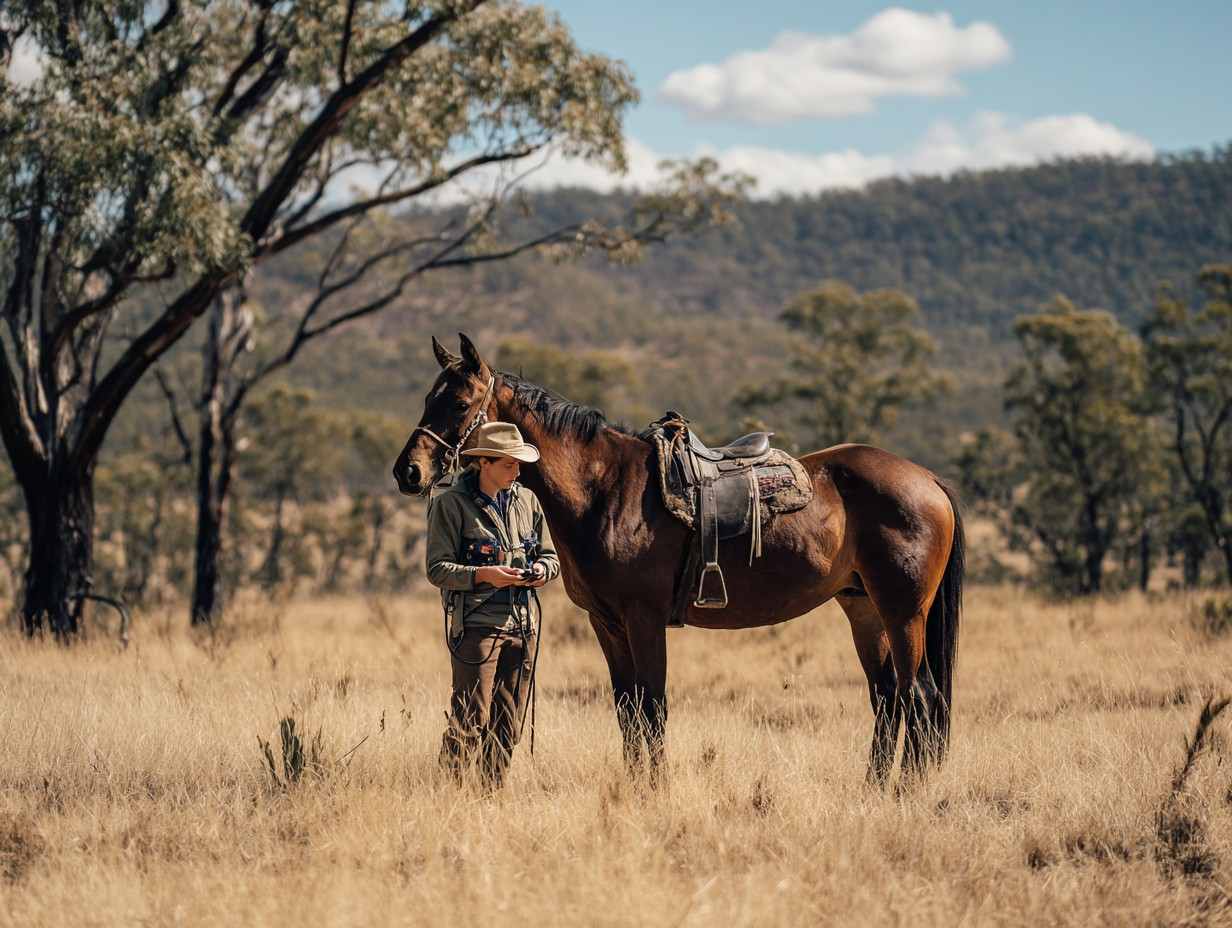
TL;DR: Running horses as an operation — agisting others' horses, teaching riding, breeding, or running a stud — creates exposures that go well beyond insuring the animals. Farm and business property insurance for equine operations is the property-and-business cover behind that enterprise: buildings, stables, fencing, feed and equipment, together with public and products liability, business interruption and workers' or voluntary workers' cover, depending on the cover selected and the terms, conditions and exclusions of the policy. It is the property and business side of an equine operation — not a standalone rural or crop "farm insurance" product. What any operation needs depends on its circumstances.
This article is part of our Equine Insurance 101 guide, within equine and bloodstock cover.
What is farm and business property insurance for equine operations?
Farm and business property insurance for equine operations is a group of covers for the buildings, equipment and business activity involved in running horses as an enterprise. It appears on the Gow-Gates equine cover list as "farm and business property insurance," and it is best understood as the property-and-business side of an equine operation rather than a standalone rural or crop farm policy. Where cover on a horse protects the animal, this cover protects the operation around it — the stables, arenas, fencing, feed, machinery and, importantly, the liabilities that come with having horses, people and buildings in one place.
It applies across a spectrum of operations. At one end is an owner keeping a few horses on a rural residential block; at the other is a commercial agistment centre, riding school or stud with staff, clients and public access. The exposures scale accordingly, but the underlying idea is the same: the property and the business carry risks that animal insurance is not designed to address.
Because these operations vary so widely, the cover is usually assembled from components — property, liability, business interruption and workforce cover — rather than sold as a single fixed package. What is included, and how each section responds, depends on the wording, the sums insured and the options selected for that particular operation.
What does equine property insurance cover?
Equine property cover can include the buildings and structures on the property (stables, barns, arenas, tack rooms and fencing), contents and equipment, public and products liability, and — depending on the cover selected — business interruption and cover for people working on the property. It is not automatic that all of these are included; each is a section that must be selected and disclosed.
Property sections typically respond to insured events such as fire, storm and theft affecting stables, sheds, fencing, feed, saddlery, tack and machinery. For a working equine property, these assets can represent a large investment, and rebuilding fencing or a stable complex after a fire or storm is a significant cost.
Liability is often a section that matters a lot for operations with people coming and going. Public and products liability covers legal liability for injury to visitors, clients or the public, or damage to their property, arising from the operation. Where cover for loss of income after an insured event, or cover for staff, is needed, business interruption and workers' or voluntary workers' cover are added — but always subject to the policy's terms, conditions and exclusions.
Do you need insurance for agistment?
If you agist horses — either as the property owner taking in others' horses, or as an owner placing a horse on someone else's land — insurance is worth close attention, because agistment creates responsibilities between parties that can lead to disputes and claims. The property owner is looking after animals of significant value and financial importance to their owners, while the horse owner is entrusting a horse to premises they do not control.
For an agistment operator, the central exposures are public liability (a visitor or client injured on the property), care-and-custody questions if an agisted horse is injured or escapes, and the property itself. Many operators also use written agistment agreements to make responsibilities clear, which sits alongside insurance rather than replacing it. Whether a particular loss is covered depends on the policy wording and what has been disclosed.
For a horse owner agisting elsewhere, the key point is not to assume the property owner's insurance protects your horse — it generally protects the property owner, not your animal. Cover on the horse itself (mortality, major medical) and appropriate liability cover usually remain the owner's own responsibility. The right approach depends on each party's circumstances and the relevant Target Market Determination.
What about riding schools, studs and other equine businesses?
Riding schools, studs, training operations and other equine businesses need business insurance programs built around their specific activities, because each involves the public, staff or high-value animals in ways that raise the stakes. A riding school teaching beginners, a stud managing a breeding book, and a training yard preparing performance horses each carry a distinct mix of liability, property and workforce risk.
A riding school's defining exposure is teaching members of the public — often beginners, and often children — to ride, which makes public liability and careful risk management central. A stud's exposures centre on high-value breeding stock and the specialised risks of breeding, which connect to bloodstock cover. A training or agistment business sits somewhere between, with client horses, staff and premises all in play.
Across all of them, the common thread is that these are businesses, and they are underwritten as businesses. Cover typically combines property, public and products liability, business interruption, and workers' compensation or voluntary workers' cover where people are engaged. Professional indemnity or association liability may also be relevant depending on the activity. The suitable structure depends on each business's circumstances and the relevant Target Market Determination.
How does this connect to breeding and bloodstock cover?
For studs and breeding operations, farm and property cover works alongside bloodstock insurance rather than replacing it. Property cover protects the land, buildings and equipment; bloodstock cover addresses the animals and the specific risks of breeding — fertility, foaling and stallion protection — where the values involved can be very high.
Australia's breeding sector is substantial. According to AgriFutures Australia, the thoroughbred breeding industry is valued in the billions of dollars and is among the largest in the world, concentrated in regions such as the Hunter Valley in New South Wales. An operation of that kind needs both the property program and the specialised animal cover to be properly protected.
The practical implication is that a breeding property should look at its risks as a whole — premises, business and breeding stock together — rather than insuring one and overlooking another. For the animal side of a breeding operation, see: Bloodstock insurance for breeding operations and thoroughbred investments.
How to arrange farm and equine property cover
Arranging cover starts with mapping the operation: the buildings and structures on the property and their values, the equipment and stock kept there, who comes onto the property and why, whether horses are agisted or the public is taught, and who works there. Each of those points to a section of cover, and disclosing them accurately is what makes the program respond.
A structured review generally suits equine properties better than a generic small-business or farm package, because the combination of animals, premises, public access and staff rarely fits a standard template. The right structure for a private rural block is not the right structure for a commercial agistment centre or a riding school, and suitability depends on each operation's circumstances and the relevant Target Market Determination. Binding terms should be confirmed against the actual PDS and policy wording.
A specialist broker such as Gow-Gates Insurance Brokers — whose equine and bloodstock practice advises horse properties, agistment operators, riding schools and studs — can help structure property, liability and business cover and advocate at claim time.
Key takeaways
- Farm and business property insurance for equine operations covers the buildings, equipment and business behind an enterprise — not a standalone rural or crop "farm insurance" product.
- Cover may be modular: property (stables, arenas, fencing, equipment), public and products liability, business interruption, and workers' or voluntary workers' cover, each selected and disclosed.
- Agistment may create certain responsibilities between parties; a property owner's cover generally protects the owner, not an agisted horse, so the horse owner usually needs their own cover.
- Riding schools, studs and training operations are underwritten as businesses, with the public, staff or high-value animals raising the stakes.
- What any policy responds to depends on the sections selected and the terms, conditions and exclusions of the wording; suitability depends on each operation's circumstances and the relevant Target Market Determination.
Frequently asked questions
Does farm insurance cover horses?
Not necessarily the horses themselves. A farm or property policy is generally built around land, buildings, equipment and liability, and cover for individual horses (mortality, major medical, loss of use) is usually arranged separately. Some programs combine both, but whether horses are covered depends on the sections selected and the policy wording, so it should be confirmed rather than assumed.
Do I need public liability insurance to agist horses?
If you take in other people's horses or have clients and visitors on your property, public liability is a central consideration, because you can be legally liable for injury to a visitor or damage to their property. Whether a particular claim is covered depends on the policy wording and what has been disclosed. The right cover depends on the operation's circumstances and the relevant Target Market Determination.
If I agist my horse elsewhere, is it covered by the property owner's insurance?
Generally, do not assume so. The property owner's insurance typically protects the property owner, not your horse. Cover on the horse itself, and appropriate liability cover, usually remains the horse owner's own responsibility. It is worth clarifying responsibilities in a written agistment agreement and arranging your own cover where needed.
What insurance does a riding school need?
A riding school typically needs public liability given it teaches the public, along with property cover for buildings and equipment, and workers' compensation or voluntary workers' cover where people are engaged. Professional indemnity may also be relevant to instruction. The exact program depends on the school's activities and circumstances and the relevant Target Market Determination.
Is business interruption cover available for equine businesses?
It can be. Business interruption may respond to certain losses of income following an insured event covered under the policy, subject to the policy terms, conditions, exclusions and indemnity period. Whether it suits a particular equine business depends on that business's circumstances, and it is usually arranged as part of a broader program.
About the author
This article was prepared by the Sport & Equine practice at Gow-Gates Insurance Brokers Pty Ltd (ABN 12 000 837 785, AFSL 245432), an independently owned Australian insurance broking and risk advisory firm operating for more than 60 years. Gow-Gates advises horse owners, equine businesses and racing and breeding operations on structuring insurance programs and advocating at claim time, and is a member of Steadfast, NIBA and AFCA.
Sources
- AgriFutures Australia. "Thoroughbred Horses." https://agrifutures.com.au/rural-industries/thoroughbred-horses/
- Australian Horse Industry Council. "Size and Scope of the Australian Horse Industry." https://www.horsecouncil.org.au/news-2/size-and-scope-of-the-australian-horse-industry
- business.gov.au. "Types of business insurance." https://business.gov.au/finance/insurance/types-of-business-insurance
- Gow-Gates Insurance Brokers. "Equine and Bloodstock." https://www.gowgates.com.au/industries/equine-and-bloodstock
Disclaimer: This content contains general information only and does not take into account your personal objectives, financial situation or needs. You should consider how appropriate any information is to your own objectives, financial situation and needs before acting on it. Gow-Gates makes no representation or warranty concerning the application of policy wordings. For full details of the terms, conditions and limitations of cover, refer to the specific policy wordings and/or Product Disclosure Statements, the relevant Target Market Determination, and the Gow-Gates Financial Services Guide. Gow-Gates Insurance Brokers Pty Ltd arranges insurance and is not the insurer. © Gow-Gates, 2022–2026.

Get a Quote
Thank you for your submission!
Or speak directly with a member of our team.